
















































































2015 :
U.S. Representative Charles Boustany, JR
U.S. Trade Representative Michael Froman
U.S. Senator Orrin Hatch
U.S. Representative Gregory Meeks
Secretary Of Commerce Penny Pritzker
U.S. Senator Ron Wyden
Drag map

2016 APCAC Doorknock, June 21-24, Washington D.C.
APCAC 2015 Policy Report
ASIA-PACIFIC COUNCIL OF AMERICAN CHAMBERS OF COMMERCE
2016 APCAC Spring Conference in Beijing (April 14-15, 2016)
Recap of 2015 APCAC Business Summit, Singapore, March 2015
Our Members
29 American Chambers of commerce
scroll
22 Economies Throughout Asia Pacific
scroll
Over 15,000 Member Companies

Over 50,000 Overseas American Workers

Over 10 Million Employees

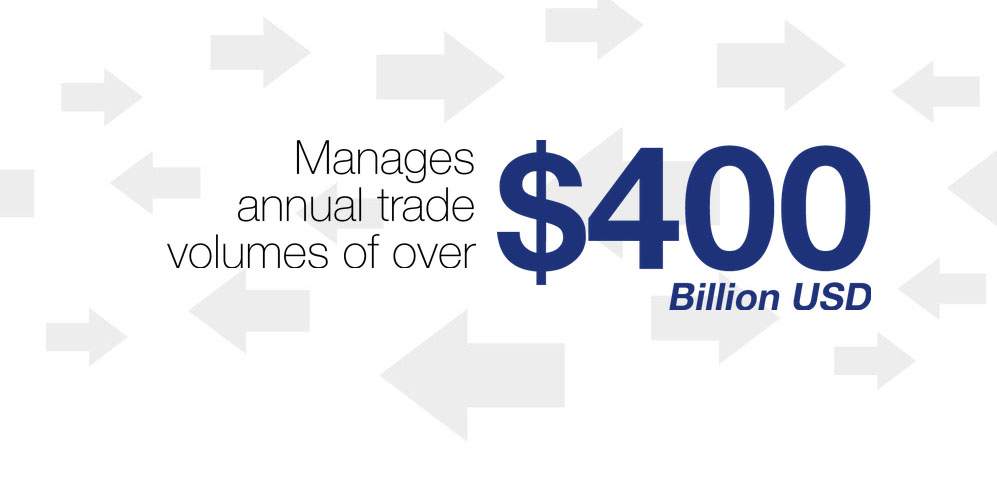
Annual Trade
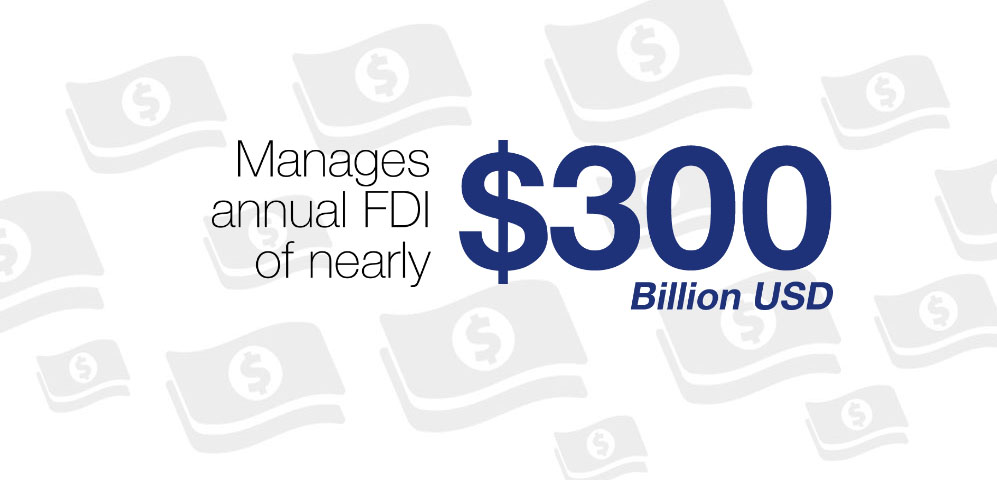
Annual Investments
Chairman
Corporate Vice Chairs
Chairman
Jackson Cox
Corporate Vice Chairs
Penny Burtt Visa
Tom Clark GE
Marie Kissel Abbott
Shiumei Lin UPS
Steve Okun KKR
Catherine Simmons Citi
John Viverito DLA Piper
Regional Vice Chairs
Executive Director
Treasurer
Immediate Past Chairman
Regional Vice Chairs
Judy Benn AmCham Thailand
Niels Marquardt AmCham Australia
Radika Obeysekere AmCham Sri Lanka
Harley Seyedin AmCham South China
Laura Younger ACCJ
Executive Director
Adam Sitkoff
Treasurer
Richard Vuylsteke
Immediate Past Chairman
George Drysdale
The Apcac Award
In a tradition dating back to 1986, APCAC presents awards to deserving individuals who demonstrate leadership on advancing American commerce in the Asia-Pacific region. This prestigious award is presented during the annual APCAC policy Doorknock in Washington, D.C.
2015 APCAC Award presented to Congressman Charles Boustany, Jr.
2014 APCAC Award presented to Congressman Dave Reichert
2013 APCAC Award presented to Congressman Rick Larsen
2015 APCAC Award presented to Congressman Gregory Meeks
2012 APCAC Award presented to Secretary of State Hillary Clinton
2012 APCAC Award presented to Thomas Donohue, President & CEP of the U.S. Chamber of Commerce
2014 :
Secretary of Commerce Penny Pritzker
Principal Deputy Assistant Secretary of State Scot Marciel
Representative Dave Reichert
Principal Deputy Assistant Secretary of State Scot Marciel
Representative Dave Reichert
2013 :
Senator Maria Cantwell
Senator Ron Johnson
Representative Kevin Brady
Representative Rick Larsen
Former Assistant Secretary of State Kurt Campbell
Senator Ron Johnson
Representative Kevin Brady
Representative Rick Larsen
Former Assistant Secretary of State Kurt Campbell
2012 :
Secretary of State Hillary Rodham Clinton
Representative Dave Camp
U.S. Chamber of Commerce President & CEO Thomas Donohue
Representative Dave Camp
U.S. Chamber of Commerce President & CEO Thomas Donohue
2011 :
Senator James Webb
Assistant USTR for Japan, Korea and APEC Affairs Wendy Cutler
U.S. Chamber of Commerce Vice President Tami Overby
Assistant USTR for Japan, Korea and APEC Affairs Wendy Cutler
U.S. Chamber of Commerce Vice President Tami Overby
2010 :
U.S. Trade Representative Ron Kirk
2009 :
Assistant USTR for Southeast Asia & the Pacific Barbara Weisel
2008 :
Senator Jim DeMint
Congressman Gregory Meeks
Congressman Gregory Meeks
2007 :
Under Secretary for International Trade Frank Lavin
Representative Carolyn Maloney
Representative Carolyn Maloney
2006 :
Former President George H W Bush
Former President William J Clinton
Former President William J Clinton
2005 :
Assistant Secretary for Commerce William Lash
2004 :
Senator Chuck Hagel
2003 :
U.S. Trade Representative Robert Zoellick
2002 :
Senator John Kerry
Senator John McCain
Ambassador Douglas “Pete” Peterson
Senator John McCain
Ambassador Douglas “Pete” Peterson
2000 :
Senator Christopher Bond
1999 :
Deputy Secretary of the Treasury Lawrence Summers
1998 :
Representative James Leach
1997 :
Representative Douglas Bereuter
1996 :
Ambassador John Wolf
Representative Bill Archer
Secretary of Commerce Ronald Brown
Representative Bill Archer
Secretary of Commerce Ronald Brown
1995 :
Senator William Fulbright
Representative Lee Hamilton
Representative Lee Hamilton
1994 :
Senator Frank Murkowski
1993 :
Senator Max Baucus
Assistant Secretary of Commerce Susan Schwab
Assistant Secretary of Commerce Susan Schwab
1992 :
U.S. Trade Representative Carla Hills
1991 :
Deputy Secretary of State Larry Eagleburger
1989 :
Ambassador Michael Mansfield
Senator Richard Lugar
Senator Richard Lugar
1988 :
U.S. Trade Representative Clayton Yeutter
Senator John Chafee
Representative Dan Bonker
Senator John Chafee
Representative Dan Bonker
1987 :
Deputy Trade Representative Michael Smith
Senator Lloyd Bentsen
Representative Bill Frenzel
Senator Lloyd Bentsen
Representative Bill Frenzel
1986 :
Secretary of Commerce Malcolm Baldridge
Senator John Heinz
Representative Sam Gibbons
Senator John Heinz
Representative Sam Gibbons




APCAC Chairman’s Circle
APCAC is grateful to its corporate sponsors whose contributions allow APCAC a stronger platform to tell the important stories of American commerce to key audiences in Asia and the United States. Online gambling in Asia and the United States continues to expand, with diverse platforms offering sports betting, poker, and live dealer games. While regulations vary, players seek international sites for more flexibility. Many explore the best casinos not on GamStop UK for unrestricted gaming experiences and attractive bonuses.